

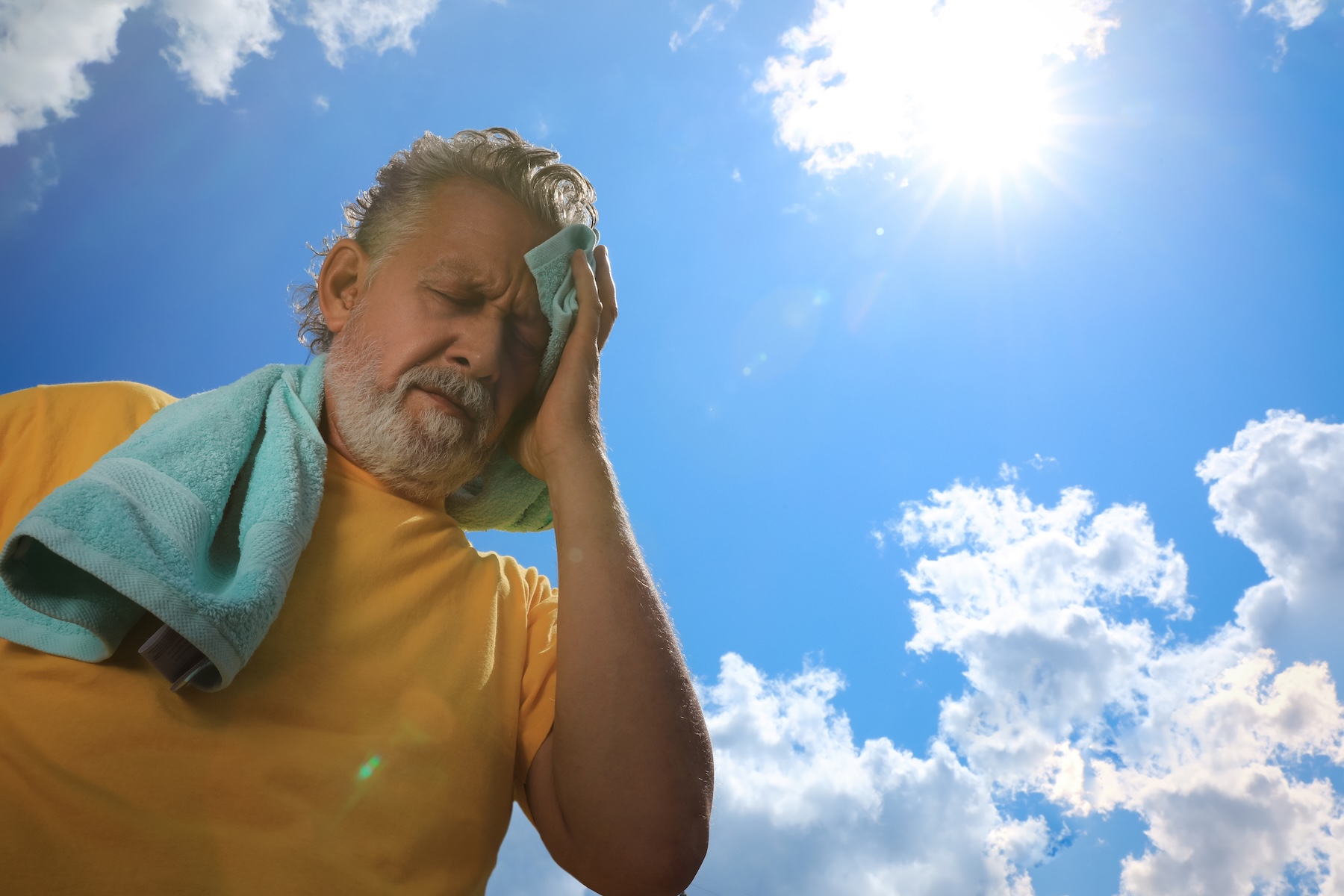
Louisiana’s intense heat and humidity can take a toll on your body, especially if you’re outdoors or active for extended periods. These high temperatures can lead to heat-related illnesses like heat exhaustion or heat stroke, which can escalate quickly if not correctly addressed. Understanding the difference between these conditions helps you determine when to visit an emergency room and when to opt for non-emergency care instead. At LCMC Health Urgent Care, we provide expert treatment for heat exhaustion and are here to help you stay safe and healthy during the scorching summer months.
What is heat exhaustion?
Heat exhaustion is a warning sign that your body is overheating. It typically happens when you’re exposed to high temperatures for an extended period, especially while being physically active. High humidity — like we often experience in New Orleans — can also make it even harder for your body to cool down.
Symptoms of heat exhaustion
Heat exhaustion symptoms include, but are not limited to:
- Heavy sweating
- Cool, moist skin with goosebumps
- Fatigue or weakness
- Dizziness or lightheadedness
- Nausea
- Muscle cramps
- Headache
If you experience these symptoms, it’s important to cool down immediately. Move to a shaded or air-conditioned area, drink water or electrolyte-rich beverages and rest.
However, if symptoms worsen or persist, don’t wait to seek urgent care as this could progress to a heat stroke. LCMC Health Urgent Care can provide treatment for heat exhaustion to help prevent serious issues.

What is heat stroke?
Heat stroke (also known as sunstroke) is a severe and potentially life-threatening condition that happens when your body temperature rises to 104°F or higher. This can be caused by your exceptionally high temperatures in your environment (a classic heat stroke) or by overheating during physical activity (an exertional heat stroke).
Unlike heat exhaustion, your body can no longer regulate its temperature, which can lead to organ damage or even death without prompt treatment.
Symptoms of heat stroke
Here are just a few symptoms of a heat stroke:
- A body temperature of 104°F or higher
- Dry skin (or a lack of sweating) or flushed skin color
- Confusion or altered mental state
- Slurred speech
- Nausea and vomiting
- Seizures
- Loss of consciousness
Heat stroke is a medical emergency. If you or someone you know exhibits these signs, call 911 or emergency services immediately and go to the nearest emergency room.
Heat exhaustion vs. heat stroke: What’s the difference?
While both heat exhaustion and heat stroke result from overheating, they differ dramatically in severity.
Heat exhaustion
- Generally less severe, but can become severe
- Sweating heavily
- Normal body temperature or mild fever
- Symptoms can improve with cooling
Heat stroke
- Life-threatening emergency
- May have dry skin, confusion, or fainting
- Body temperature of 104°F or higher
- Requires immediate medical attention
The biggest takeaway? Heat stroke can escalate quickly and requires emergency care, while heat exhaustion can often be managed with immediate cooling and hydration.
When to seek medical help
Go to an emergency room for heat stroke
If symptoms like confusion, seizures or an altered mental state appear, don’t wait. Heat stroke can damage your brain, heart and kidneys if left untreated. Call 911 or bring the affected person to the emergency room.
Visit LCMC Health Urgent Care for heat exhaustion
For less severe heat-related symptoms, LCMC Health Urgent Care offers fast and effective treatment for heat exhaustion. Our team can help rehydrate you, monitor your condition and provide personalized guidance to support your recovery.
Tips to avoid heat stroke and stay safe in New Orleans
Prevention is the best way to avoid heat-related illnesses. Staying cool and hydrated can help you enjoy everything New Orleans has to offer this summer.
Follow these tips to avoid heat stroke and heat exhaustion:
- Drink plenty of water regularly, even if you’re not thirsty.
- Wear lightweight, light-colored clothing.
- Avoid strenuous outdoor activity during the peak heat of midday.
- Take frequent breaks in the shade or indoors when outdoors.
- Use sunscreen to prevent sunburn, which can impede your body’s ability to cool down.
Contact LCMC Health Urgent Care for fast, effective treatment for heat exhaustion
At LCMC Health Urgent Care, we’re here to care for you when the summer heat in New Orleans takes a toll. Whether you need treatment for heat exhaustion or another non-emergency condition, we’re just a visit away.
For even faster service, check in online before your visit. Stop by our urgent care clinic today or call your nearest LCMC location for more information. Your health and safety are our top priority — this summer and every season.